
The Unspoken Lessons of Growing Up in a Family Business
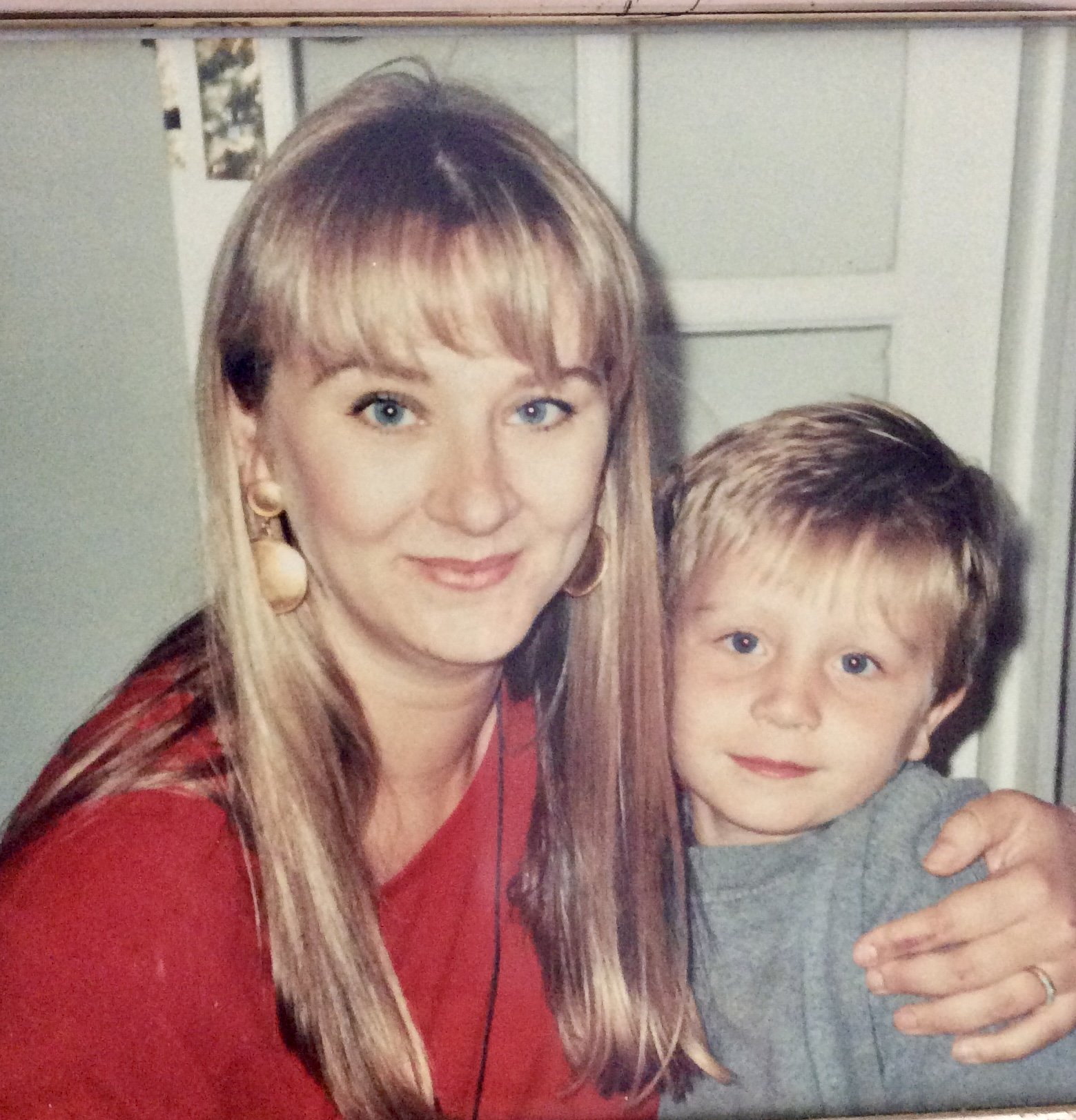
Most people think of family businesses in terms of ownership, succession, or conflict at the top.
What’s talked about far less is what happens much earlier.
Long before someone becomes a shareholder, director, or employee, they’ve often been absorbing the business by osmosis—from childhood.
Not through formal training.
Through dinner-table conversations, tone of voice, tension in the room, absent parents, and the things that were never explained but always felt.
These early experiences leave a lasting imprint.
The Business Was Always “There”
For many children in family businesses, the business is a constant presence.
It shapes holidays, routines, moods, and financial decisions. Children quickly learn:
When not to ask questions
When money is “tight” without being told
When to lay low because Mum or Dad’s stressed
Why loyalty matters
In some families, the business can even feel like another sibling—one that demands time, attention, patience, and emotional energy, sometimes equal to or greater than the children themselves.
This isn’t usually intentional. But it is deeply felt.
A Responsibility Child
Children growing up in family enterprises often develop a strong sense of responsibility early on.
Not because they are explicitly asked—but because they sense the stakes.
They learn:
To be dependable
To adapt quickly
To help without being asked
Some children grow up assuming the business will be part of their future.
Others assume they must prove themselves worthy of it.
And some quietly decide, very early, that they will never go near it at all.
Overlooked, Yet Affected
Children of family businesses are often overlooked in conversations.
The focus tends to be on the leadership team, clients, and the bank manager. Yet children—whether they ever join the business or not—are shaped by growing up in a family where work, identity, and livelihood are tightly intertwined.
They are affected by:
Unspoken pressure
Shifting family dynamics
Emotional spillover from the business into home life
But they are also often benefited.
Many develop:
Commercial awareness
Emotional intelligence
Resilience
A strong work ethic
An understanding of risk, responsibility, and long-term thinking
Growing up in a family that builds something big together can foster closeness, shared purpose, and pride—alongside complexity.
Family Comes First
Most people say they prioritise their families.
In family businesses, this is often true—and complicated.
The business exists because of the family. It may provide security, opportunity, and legacy. At the same time, it can compete for attention, emotional bandwidth, and presence.
Children often learn early that:
The business must feed the family
The family must protect the business
Sacrifice is normal
This can create a powerful sense of belonging—but also a quiet expectation to cope, adapt, or wait.
And Later
These early, unspoken lessons shape how, in adulthood, they relate to:
Authority
Responsibility
Conflict
Loyalty
Choice
Whether or not children ever enter the family business, these experiences often influence how they work, lead, relate, and decide later in life.
When families acknowledge how children are affected—not just operationally but emotionally—conversations about careers and aspirations become clearer and kinder.
