
The Emotional Side of Organizational Change: How to Survive and Thrive – Jennifer Bryan
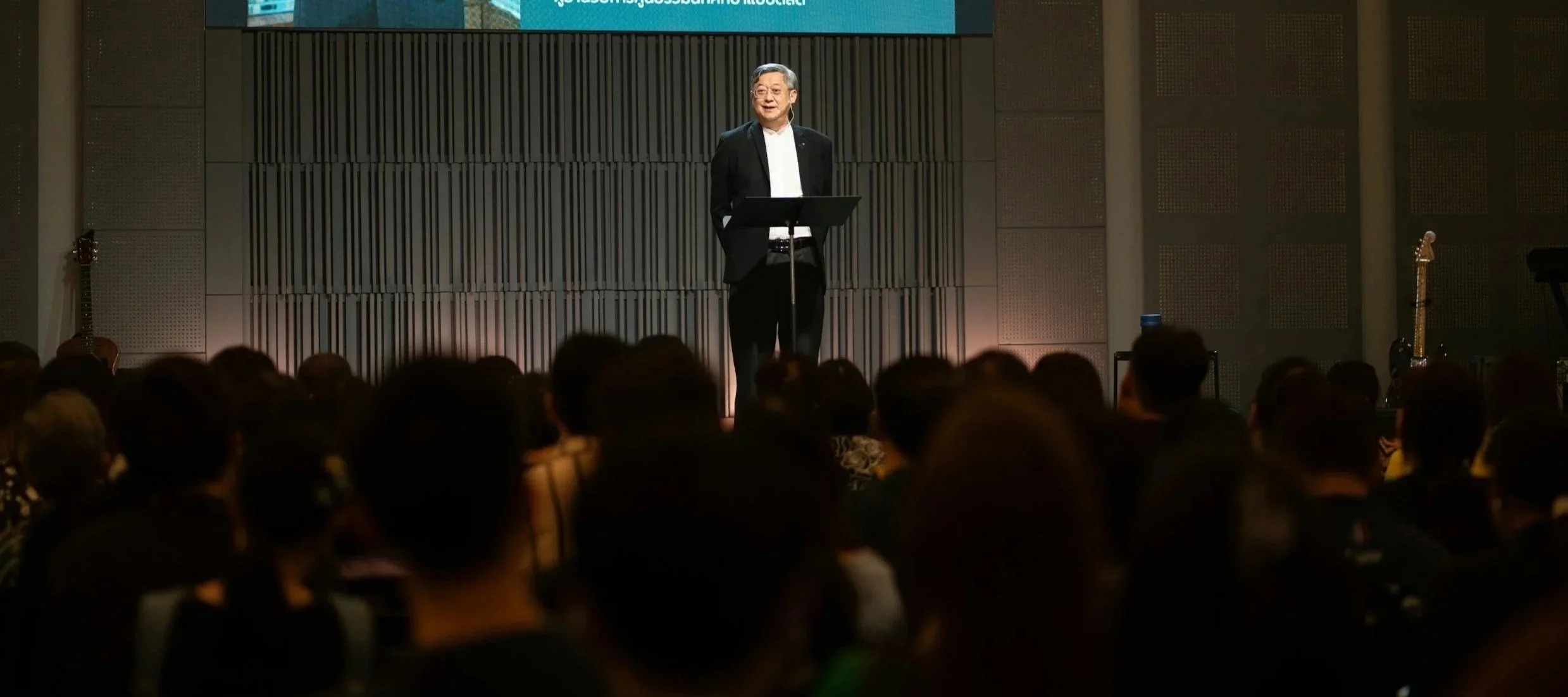
Yesterday I attended a seminar hosted by Freeths, where Jennifer Bryan spoke about her newly released book. Her central argument is deceptively simple: emotion is not a distraction from change, it is the deciding factor in whether change succeeds.
We talk endlessly about strategy, valuation and synergy. We produce integration plans that run to 80 slides. We instruct lawyers, draft communications, schedule town halls.
And then we tell employees their employer has been acquired.
At that moment, the spreadsheets disappear. What fills the room instead is emotion.
Shock.
Relief.
Suspicion.
Anger.
Hope.
Often all at once.
The first question
When an acquisition is announced, employees are rarely thinking about market share or shareholder return. Their first thought is blunt and human:
Am I safe?
Job security is the dominant emotional response. It overrides almost everything else. Before people can engage with a new vision, they need reassurance about their own future. Without it, productivity dips, rumours accelerate, and the most capable people quietly update their CVs.
Leaders frequently underestimate this. They assume that if the deal makes commercial sense, employees will see the logic. They won’t. Not immediately.
Emotion precedes logic. Always.
What happens next
In the hours and days after an announcement, people fill gaps with stories. If communication is sparse or overly legalistic, those stories tend to be negative.
“There will be redundancies.”
“Head office will move.”
“Our culture will disappear.”
“The new owners will replace leadership.”
From an HR and governance perspective, uncertainty is risk. In a UK context, it also intersects with formal obligations. Under TUPE, employees transfer with existing terms and conditions. Consultation requirements may apply. Employment Tribunals remain a very real backdrop if change is mishandled.
But compliance alone is not enough. You can meet every statutory obligation and still lose trust.
Trust is emotional capital. Once depleted, it is expensive to rebuild.
The mistake
Too many leaders default to corporate language:
“This acquisition creates exciting opportunities for growth.”
“We are aligning structures to drive efficiency.”
It sounds polished. It also sounds evasive.
Employees listen for what is not being said. If leaders avoid the emotional dimension - fear, grief, uncertainty - people conclude that those feelings are unwelcome. So they go underground. Resistance becomes passive. Engagement drops quietly.
This is where Bryan’s thesis is powerful. If emotion drives behaviour, then ignoring emotion guarantees behavioural fallout.
The fear
The most effective acquisition announcements I advise, share three characteristics:
They acknowledge fear explicitly.
They differentiate between what is known and unknown.
They commit to transparent updates at regular intervals.
Saying, “Many of you will be worried about job security” does not create fear. The fear already exists. Naming it legitimises it. That single sentence can reduce anxiety more effectively than a slide deck full of synergy projections.
It signals emotional intelligence. And, bluntly, courage.
HR’s role
From an HR Director’s standpoint, an acquisition is not merely a legal transfer of contracts. It is an identity event.
Teams ask themselves:
Who are we now?
Do our values still stand?
Is our leadership staying?
Will performance expectations change?
Identity disruption triggers emotional reaction. Particularly in founder-led or family businesses, where culture is deeply personal, the sense of loss can be acute. Even where no jobs are immediately at risk, status and influence may be.
If leaders dismiss this as sentimentality, they miss the real commercial point. Emotional disengagement is a precursor to attrition. And attrition of key talent during integration weakens enterprise value.
Emotion, again, becomes financial.
The turnaround
Bryan speaks about using foresight tools alongside organisational development insight. That combination matters in M&A.
Horizon scanning might identify market shifts.
Trend analysis might shape the strategy.
But empathy shapes execution.
Suggested practical steps include:
Early identification of informal influencers within the organisation.
Structured listening forums, not just broadcast town halls.
Clear articulation of non-negotiables versus open areas of change.
Visible presence of senior leadership in the first 90 days.
Integration plans should include an emotional risk assessment alongside operational milestones, e.g.: Where is anxiety likely to spike? Which teams feel most exposed? Which leaders lack the confidence to handle difficult conversations?
If you do not plan for the emotional curve, you will be surprised by it.
The truth
Sometimes, redundancies are inevitable. In those cases, honesty matters more than optimism.
Vague reassurance damages credibility. It is better to say, “We are reviewing structures and will consult fully before any decisions are made” than to overpromise stability and reverse it later.
In the UK, consultation processes are not only legal requirements in collective redundancy situations; they are opportunities to demonstrate fairness. Handle them poorly and you invite grievances, union involvement, or Employment Tribunal claims. Handle them well and even departing employees can leave with dignity.
Again, the emotional handling determines the longer-term reputation of the business.
The reality
Acquisitions are commercial events. They are also human ruptures.
Leaders who treat them as purely financial transactions often struggle with integration. Leaders who recognise that emotion sits at the heart of behaviour manage change more sustainably.
It requires a shift in mindset. Emotion is not weakness. Use it as data to tell you where resistance lies, where trust is fragile, where leadership capability needs strengthening.
Ignore it and you could create ‘hidden’ risk.
Work with it and you build resilience.
The announcement of an acquisition will always trigger fear about job security. That is normal. The deciding factor is not whether emotion appears, it is how leaders respond when it does.
